Skip to content

Mini Cart

Hair oil is one of those products almost everyone owns and very few people use properly. Too much, wrong timing or skipping the scalp can leave hair greasy without any of the benefits. The good news is that a good oiling routine is simple, and it takes only a few minutes once you know the basics.

Start With the Right Oil for Your Concern

Different oils suit different needs, so choose based on what you want to fix:

How to Apply Hair Oil, Step by Step

  1. Detangle first. Brush dry hair gently so the oil spreads evenly and you avoid pulling on knots later.
  2. Use a small amount. A few drops to a teaspoon is enough for most people. You can always add more, but you cannot take it back.
  3. Part your hair in sections. Apply oil to the scalp along each parting so it reaches the skin, not just the hair on top.
  4. Massage for 3 to 5 minutes. Use your fingertips in small circles. Massage improves how evenly the oil spreads and makes the routine relaxing.
  5. Work the leftover oil through the lengths. Use whatever remains on your palms to lightly coat the mid-lengths and ends, which are the driest part of the hair.
  6. Leave it on. Anywhere from 30 minutes to a few hours works well. Overnight is fine if your scalp tolerates it.
  7. Wash it out. Apply shampoo to your scalp before adding water, lather, and rinse. Repeat if your hair still feels coated.

How Often Should You Oil Your Hair?

Twice a week suits most hair types. If your scalp gets oily quickly, once a week is plenty. If your hair is dry or frizzy, you can go up to three times a week. Pay attention to how your scalp feels: itchiness, heaviness or breakouts along the hairline are signs to cut back.

Common Mistakes to Avoid

  • Using too much oil and skipping the wash-out
  • Oiling only the hair and never the scalp
  • Tying wet, oiled hair very tight, which puts strain on the roots
  • Combing aggressively while the hair is heavy with oil
  • Expecting overnight results. Hair grows slowly, so give any routine at least two to three months before judging it

A Small Tip for Better Results

Warm the oil slightly by rubbing it between your palms before applying. It spreads more easily and feels more comfortable on the scalp. If you are trying a new oil for the first time, do a small patch test behind your ear a day before using it on your whole scalp.

Ready to build your routine? Explore our hair oils or browse the full Rawaayat range.

Continue Reading →

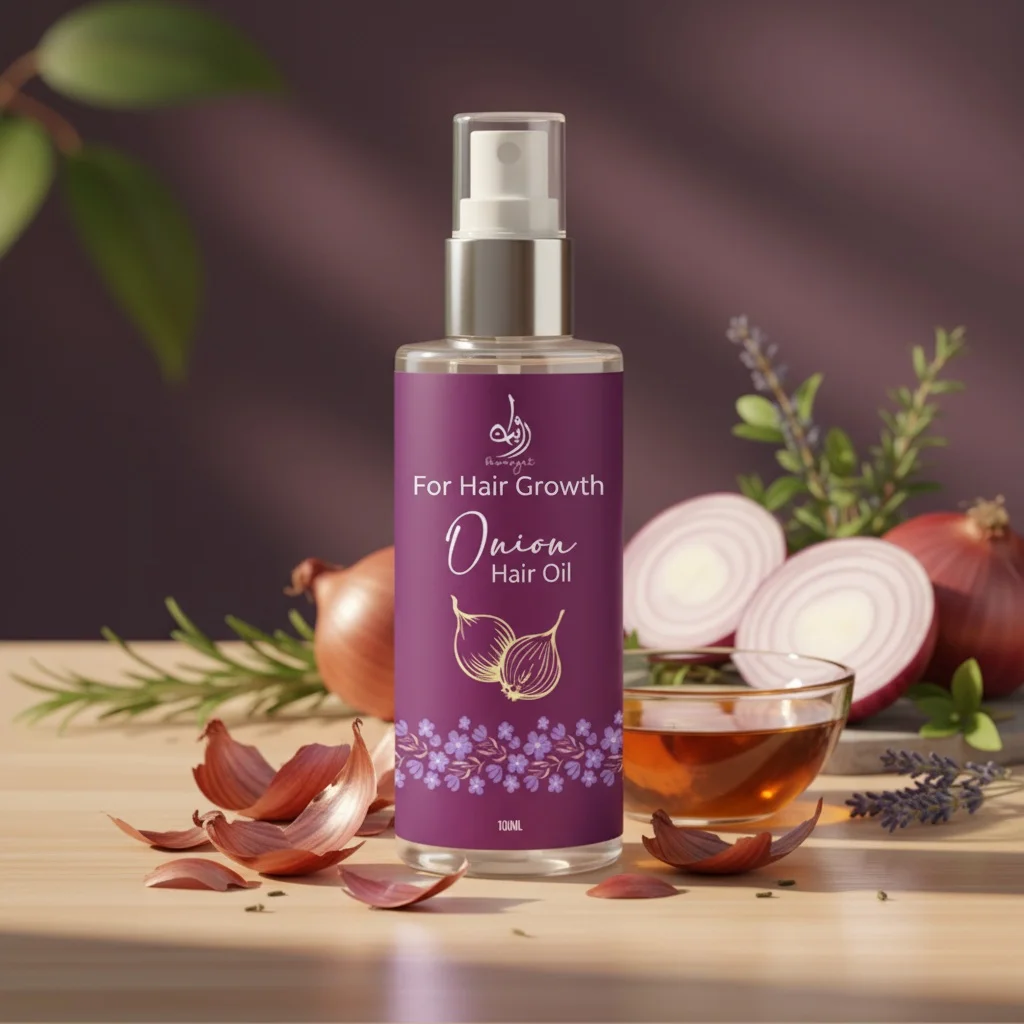
Hair fall is one of the most common concerns people search for a solution to, and onion oil consistently comes up as one of the most recommended natural remedies. If you have seen it mentioned everywhere and wondered whether it actually works, here is what is behind the hype.

Why Onion Oil Is Recommended for Hair Fall

Onion extract is rich in sulfur compounds, which are believed to support keratin production, the protein that makes up hair strands. Stronger keratin production can mean less breakage and healthier-looking strands over time, which is why onion oil shows up so often among the best hair oils in Pakistan for hair fall specifically.

What to Expect from Rawaayat Onion Hair Oil

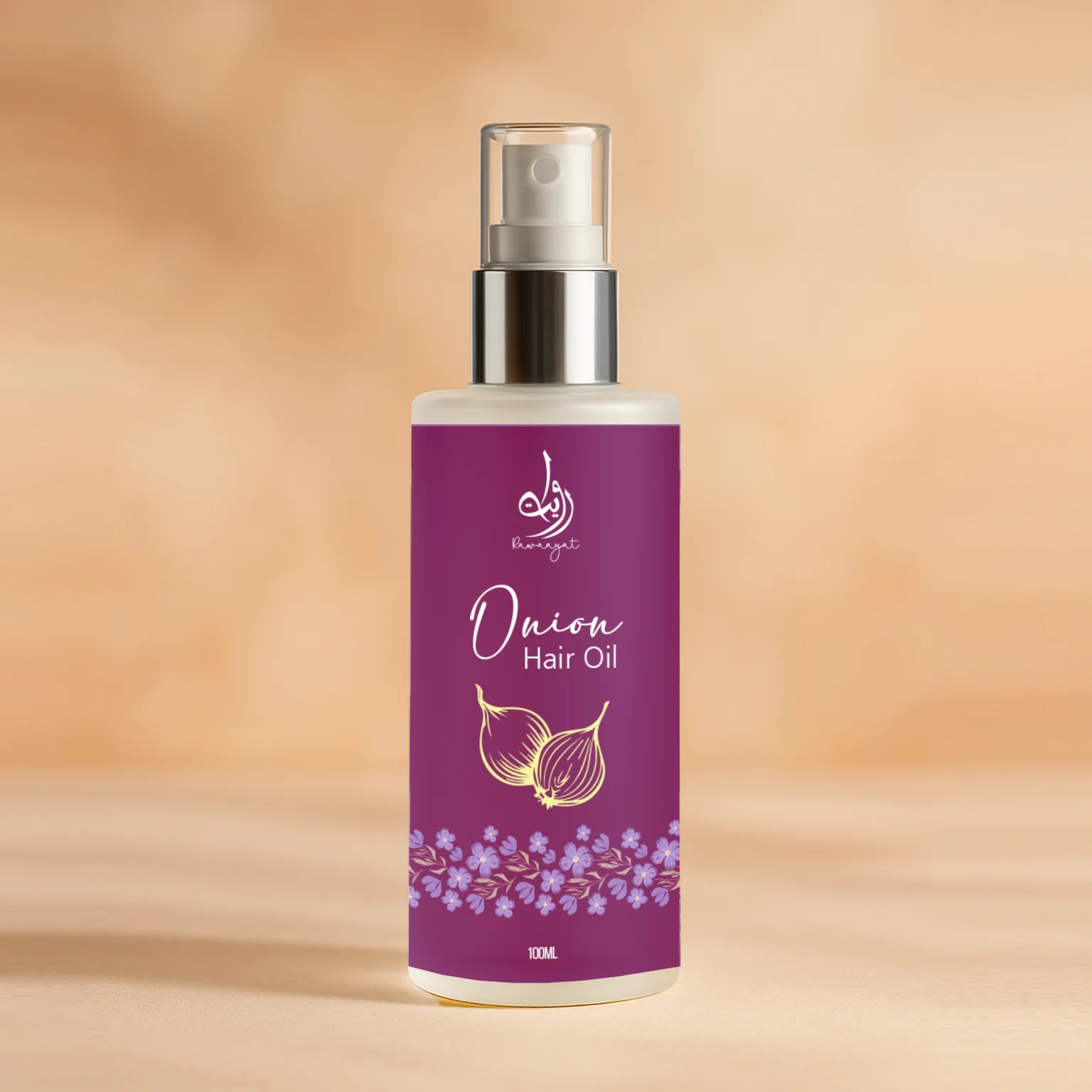
Rawaayat Onion Hair Oil is formulated to strengthen hair from the roots while improving overall scalp health. Like most natural hair treatments, it is not an overnight fix. Consistent use over several weeks is what produces visible results, not a single application.

How to Use It Correctly

  • Massage into the scalp and through the length of hair
  • Leave on for at least 2 hours, or overnight for deeper treatment
  • Wash out thoroughly with a gentle shampoo
  • Use 2 to 3 times a week for best results
  • Always patch test before first use

Pairing It With the Rest of Your Hair Care

If your main concern is hair fall specifically, Onion Hair Oil should be your primary pick among hair oils in Pakistan. For general scalp maintenance and shine on the days in between, Rosemary Hair Oil is a lighter option that pairs well alongside it.

Ready to try it? Shop Rawaayat Onion Hair Oil or browse the full hair oils collection.

Continue Reading →

Onion oil shows up in almost every “hair growth” recommendation list online, but the claims around it are often stretched further than the evidence supports. Here’s what’s actually behind the trend, and what a realistic routine with it looks like.

Where the Idea Comes From

Onions are naturally high in sulfur, which is a building block for keratin – the protein that makes up your hair strands. The theory is that applying onion-infused oil to the scalp delivers sulfur compounds directly to the hair follicle, supporting stronger strands and, in some studies, reducing shedding. A small clinical study from 2002 found that onion juice applied to the scalp improved hair regrowth in people with patchy hair loss more than a placebo did – it’s one of the few pieces of research this trend can actually point to.

What It Can Realistically Do

  • Support the scalp environment: onion oil has natural antibacterial and antifungal properties, which can help keep the scalp calmer if flaking or irritation is part of what’s slowing hair growth down.
  • Strengthen existing strands: the sulfur content may help reduce breakage, which shows up as hair looking fuller over time simply because less is snapping off.
  • Improve scalp circulation: massaging any oil into the scalp increases blood flow to the area, which is part of why the massage itself matters as much as the oil.

What it won’t do is reverse genetic hair loss or work faster than your hair’s natural growth cycle allows – real change from any scalp treatment takes 8-12 weeks of consistent use to become visible.

How to Use It

  1. Section clean, dry hair and apply the oil directly to the scalp rather than the lengths.
  2. Massage in gentle circular motions for 5-10 minutes to help it absorb and boost circulation.
  3. Leave it on for at least an hour, or overnight for a deeper treatment – just protect your pillow with a towel.
  4. Wash out thoroughly with shampoo; onion oil’s scent fades quickly once rinsed, but it can take two washes to fully clear.

How Often to Use It

Two to three times a week is a sustainable routine for most people. Daily use isn’t necessary and can leave the scalp feeling greasy without adding extra benefit – consistency over weeks matters far more than frequency in any single week.

Think of onion oil as scalp maintenance, not a quick fix: paired with a healthy diet and gentle hair care habits, it earns its place in a routine.

Want to try it yourself? Shop our Onion Hair Oil, formulated for stronger, fuller-looking hair.

Continue Reading →

Hair fall is frustrating partly because it’s hard to know what’s actually working. Unlike skincare, where you see results on your face daily, hair growth happens slowly and often invisibly for weeks before you notice a real difference.

Why a Nourishing Blend Works Better Than a Single Ingredient

A lot of hair oils lean on one “hero” ingredient, but hair growth is rarely a one-cause problem. A nourishing blend approach works on multiple fronts at once — strengthening the roots so hair is less likely to break off, nourishing the scalp so follicles have what they need to keep producing healthy strands, and improving overall texture so what does grow looks fuller and shinier along the way.

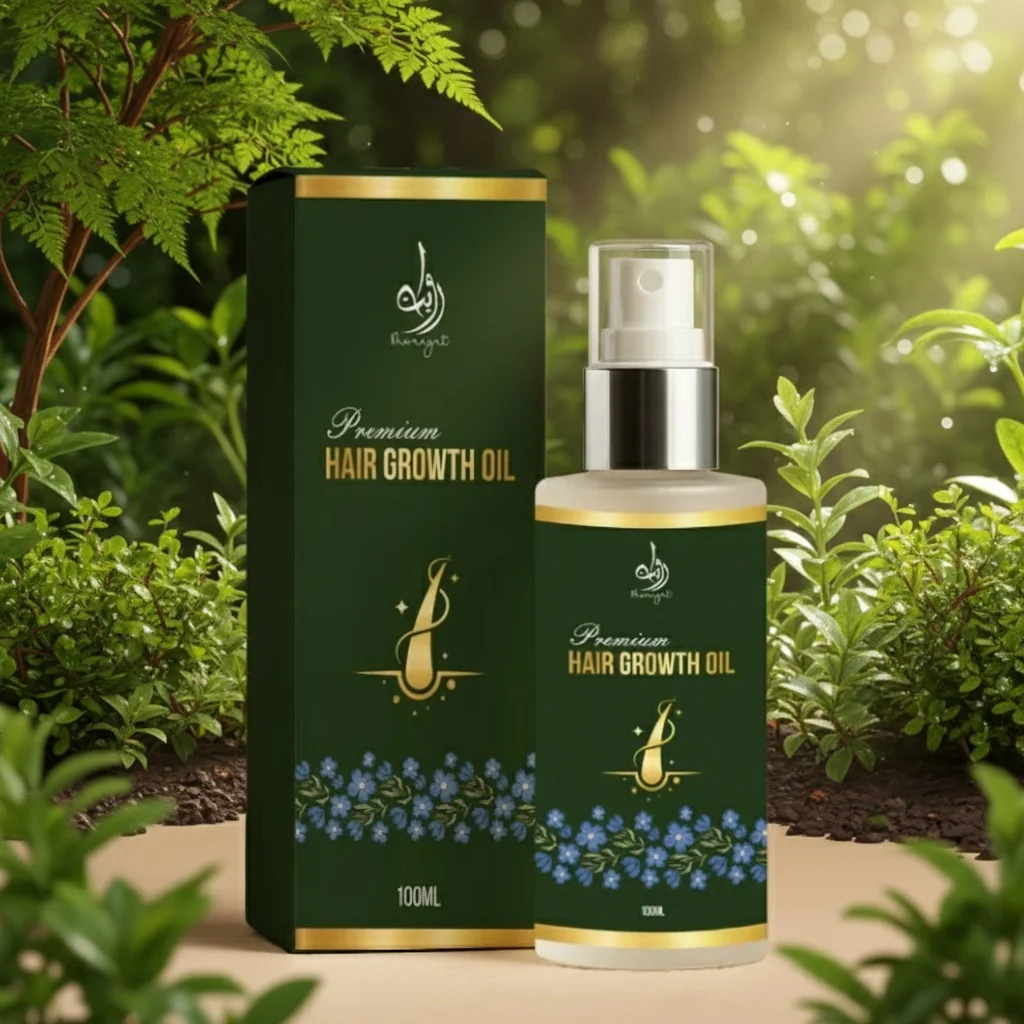
Who Should Use the Rawaayat Premium Hair Growth Oil

This is suited if you’re dealing with ongoing hair fall, thinning that’s become noticeable over time, or hair that just feels weaker and more breakage-prone than it used to. It’s also a reasonable pick if you want a steady maintenance oil rather than treating one specific issue like dandruff or dryness.

Key Benefits

  • Promotes healthy hair growth
  • Reduces hair fall and breakage
  • Deeply nourishes the scalp
  • Improves hair texture and shine

How to Use It

Massage into your scalp and through your hair, focusing on the roots where growth actually starts. Leave it on for at least 2 hours, or overnight for a deeper treatment, then wash out thoroughly. Two to three times a week is the sweet spot — more frequent use won’t speed up growth and can just leave your scalp feeling greasy.

Setting Realistic Expectations

Hair growth is genuinely slow. Most people need at least 8 to 12 weeks of consistent use before seeing a real difference in fall or thickness, since that’s roughly how long a hair growth cycle takes to show visible change. Consistency matters more than how much you use at once.

A quick note: for external use only, and always patch test before your first full application.

Ready to give your hair what it needs? Shop the Rawaayat Premium Hair Growth Oil today.

Continue Reading →

Dandruff and an itchy, flaky scalp are frustrating not just because of how they feel, but because they are usually a sign the scalp itself needs attention, not just the hair. Tea tree oil has long been used for exactly this kind of scalp care.

Why Tea Tree Oil Helps Your Scalp

Tea tree oil is naturally cleansing and soothing, which makes it effective at calming an irritated, flaky scalp. Unlike heavier oils, it does not weigh hair down or add greasiness — it works more like a scalp treatment than a traditional hair oil.

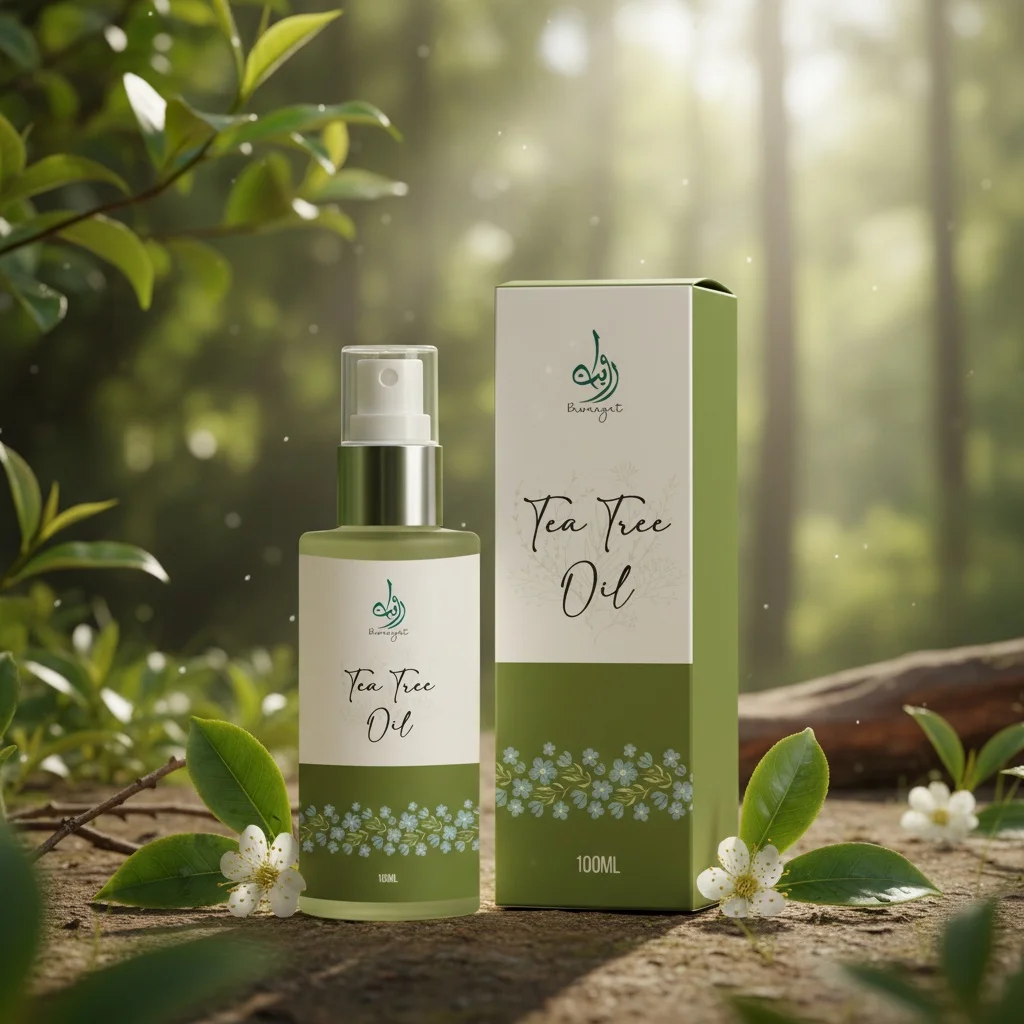
Who Should Use the Rawaayat Tea Tree Oil

This is best suited if you deal with dandruff, an itchy or flaky scalp, or a scalp that tends to feel oilier than the rest of your hair. It is also genuinely multi-purpose — the same soothing, purifying properties that help your scalp can be used on skin too.

Key Benefits

  • Soothes dry, itchy scalp
  • Helps control dandruff
  • Purifies oily skin
  • Multi-purpose for skin and hair

How to Use It

Tea tree oil is potent, so always dilute it with a carrier oil before applying directly to your scalp or skin. For hair, add a few drops to your regular shampoo, or mix with a carrier oil and massage into the scalp before washing. Using it two to three times a week is enough to notice a calmer, less flaky scalp.

A Quick Note

Because it is a concentrated essential oil, do a small patch test before your first full application, and avoid using it undiluted directly on skin.

Ready for a calmer, healthier scalp? Shop the Rawaayat Tea Tree Oil today.

Continue Reading →