Skip to content

Mini Cart

Standing in front of your skincare shelf wondering whether to reach for a scrub or a clay mask? You are not alone — both promise smoother, cleaner skin, but they actually do different jobs. Using the wrong one at the wrong time is why some people feel like neither is working.

What a Sugar Scrub Actually Does

A sugar scrub works on the surface. The granules physically buff away dead skin cells, leaving skin smoother almost immediately. It is a mechanical fix — great for rough patches, dull-looking arms and legs, or prepping skin before self-tan or shaving. The Charcoal Sugar Scrub also pulls in a bit of oil-absorbing charcoal, useful if you scrub oilier areas like the chest or back.

What a Clay Mask Actually Does

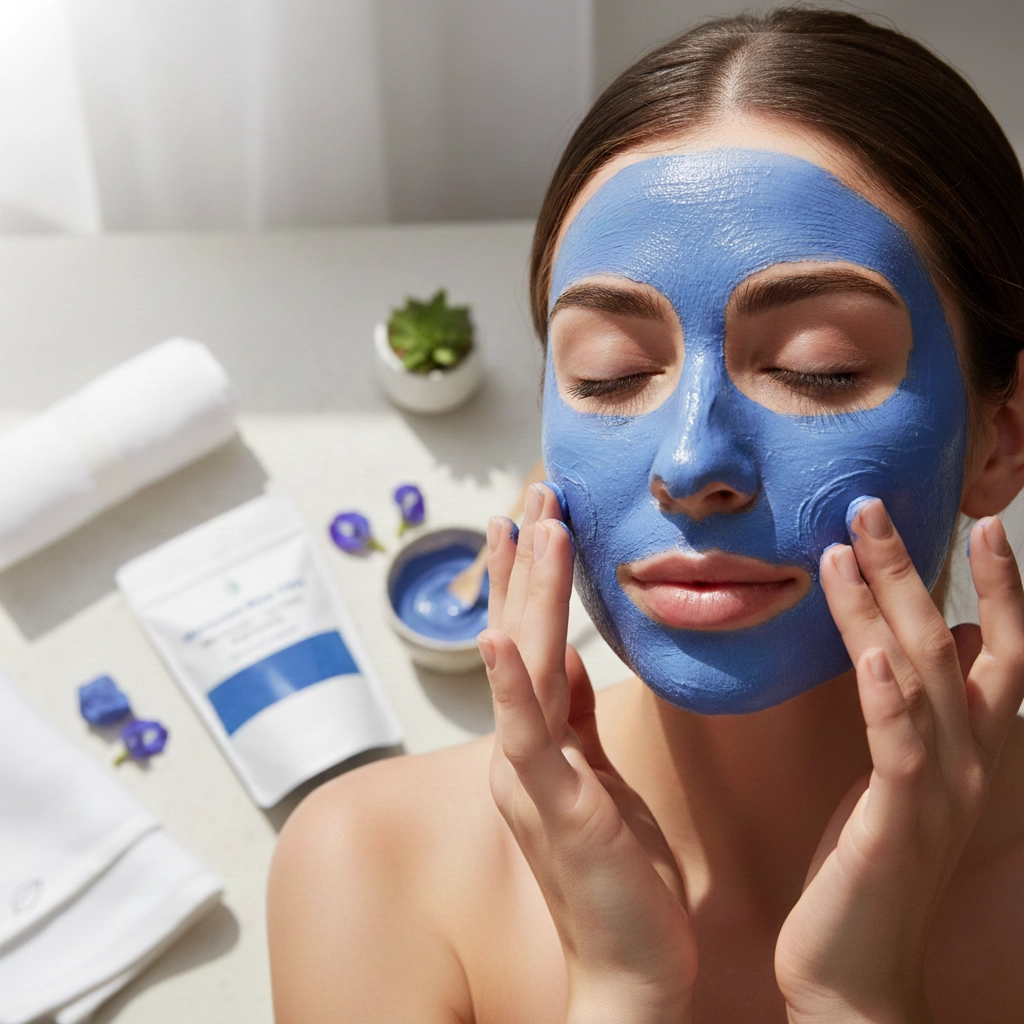
A clay mask works below the surface. Instead of buffing anything away, it draws out oil, sweat, and impurities sitting inside your pores as it dries. This is why a clay mask can leave skin feeling tight or squeaky clean, especially with something like the Moroccan Clay Mask, which is formulated to pull out congestion without stripping skin bare.

So Which One Do You Actually Need?

  • Rough, flaky, or textured skin → reach for a sugar scrub
  • Oily, congested, or breakout-prone skin → reach for a clay mask
  • Dull skin with no real texture issue → a light scrub like the Strawberry Sugar Scrub is usually enough
  • Visible clogged pores or an oily T-zone → clay mask first, scrub can wait

Can You Use Both?

Yes, but not on the same day. Doing both at once is usually too much for skin, especially if you are new to either. A simple approach: scrub once or twice a week to keep texture smooth, and use a clay mask separately, once every one to two weeks, for a deeper reset. Never scrub right after a clay mask — skin needs a day to recover from the pore-clearing pull of clay before adding physical exfoliation on top.

The Order That Works

If you are doing both in the same week, scrub first (early in the week) and clay mask later, giving skin a few days between the two. This spaces out the exfoliation so you get the benefit of each without over-stripping your skin barrier.

Not sure where to start? The Moroccan Clay Mask and Charcoal Sugar Scrub are a solid pairing to build a simple weekly routine around.

Continue Reading →

Moroccan clay – also known as rhassoul or ghassoul clay – has been used in North African skincare rituals for centuries, long before “detox mask” became a marketing term. What makes it different from the dozens of other clays on the market comes down to how it’s formed and what it actually does to your skin once it’s on.

What Makes Moroccan Clay Different

Most clay masks rely on kaolin or bentonite, both of which are excellent at absorbing oil but can leave sensitive skin feeling stripped and tight. Moroccan clay is mined from deposits rich in silica, magnesium, and potassium, which means it draws out impurities without pulling all the moisture out with them. That’s the main reason it works for a wider range of skin types, including drier or more reactive skin that usually reacts badly to clay masks.

What It Actually Does

  • Deep cleansing: the negatively charged clay particles bind to oil, dirt, and dead skin cells sitting in your pores and lift them out as the mask dries.
  • Softer texture: regular use smooths rough patches and refines the look of pores over a few weeks, not overnight.
  • Balanced oil production: because it doesn’t overdry the skin, your skin is less likely to overcompensate by producing more oil afterward – a common problem with harsher clays.
  • Gentle brightening: removing the buildup of dead skin cells on the surface naturally makes your complexion look more even and awake.

How to Use It

  1. Mix a small amount of clay powder with water (or a milder liquid like rosewater) until it forms a smooth, spreadable paste – it should have the consistency of yogurt, not a thin liquid.
  2. Apply an even layer to clean, dry skin, avoiding the eye area.
  3. Leave it on for 10-15 minutes. Don’t wait for it to fully harden and crack – that’s the point where it starts pulling too much moisture from your skin.
  4. Rinse off with lukewarm water, using gentle circular motions to help lift away any residue.
  5. Follow up with a moisturizer, since even a gentle clay can leave skin slightly thirsty afterward.

How Often to Use It

Once or twice a week is enough for most skin types. If your skin is on the drier or more sensitive side, start with once every 10 days and see how it responds before increasing frequency. There’s no benefit to using a clay mask daily – your skin needs time to rebuild its natural oils between treatments.

Used consistently, Moroccan clay is one of the few masks that suits nearly every skin type – it’s worth the two minutes of prep time.

Ready to try it? Shop our Moroccan Clay Mask, made with pure rhassoul clay.

Continue Reading →

Not every clay mask is created equal, and Moroccan clay in particular has a long history for a reason. It’s one of the few ingredients that can genuinely draw impurities out of skin rather than just sitting on the surface.

What Makes Moroccan Clay Different

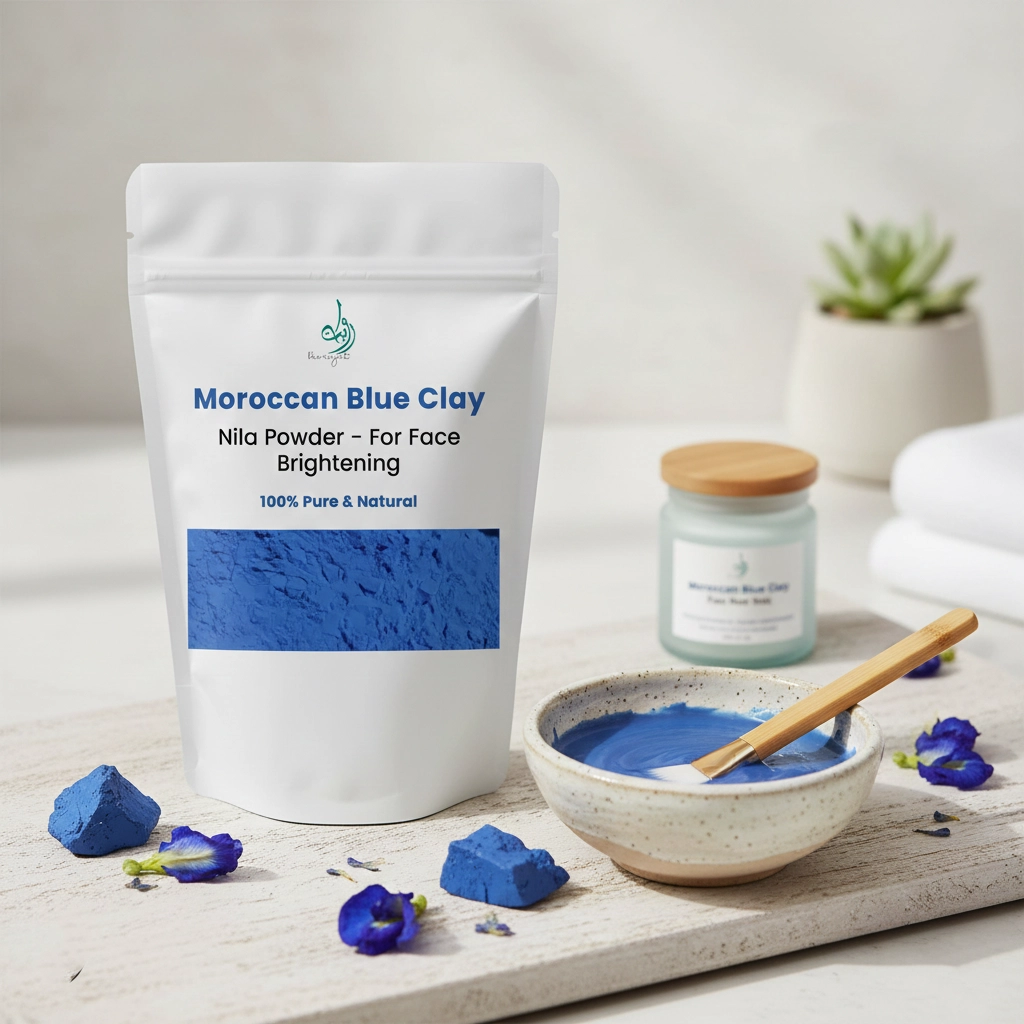
Moroccan clay, also known as nila or rhassoul clay, is naturally rich in minerals and has a strong negative charge that attracts and binds to oil, dirt, and toxins sitting in your pores. Unlike some clays that can be harsh or overly drying, it tends to cleanse deeply while still being gentle enough for regular use.

Who Should Use the Rawaayat Moroccan Clay Mask

This is best suited for oily and combination skin dealing with clogged or visibly enlarged pores, occasional congestion, or midday shine. If your skin tends to look dull or feel heavy by the end of the day, a clay mask is one of the more effective ways to reset it.

Key Benefits

  • Deeply cleanses and detoxifies
  • Reduces the appearance of pores
  • Controls oil and shine
  • Suitable for oily and combination skin

How to Use It

Apply an even layer to clean skin, avoiding the eye and lip area, and leave it on for 10 to 15 minutes — not longer. Clay masks work by drawing out impurities, but leaving them on too long past the point of drying can pull moisture from your skin too, which defeats the purpose. Rinse thoroughly with lukewarm water, two to three times a week.

What to Do Afterward

Always follow up with a moisturizer once you rinse the mask off. Clay is intentionally drawing, and skipping hydration afterward can leave skin feeling tight rather than balanced.

Ready for clearer, more balanced skin? Shop the Rawaayat Moroccan Clay Mask today.

Continue Reading →

Moroccan Clay Mask: Deep Cleansing for Naturally Radiant Skin

Give your skin the care it deserves with Rawaayat Moroccan Clay Mask. Made with mineral-rich Moroccan clay, this face mask helps draw out impurities, excess oil, and dirt from deep within the pores, leaving your skin feeling fresh, clean, and revitalized.

Moroccan clay is known for its natural purifying properties, making it an excellent choice for oily, combination, and acne-prone skin. It helps improve skin texture, reduce the appearance of pores, and promote a smoother, brighter complexion without stripping away your skin’s natural moisture.

Benefits

  • Deeply cleanses and detoxifies the skin
  • Removes excess oil and impurities
  • Helps unclog and minimize the appearance of pores
  • Improves skin texture and promotes a healthy glow
  • Leaves skin soft, refreshed, and smooth
  • Suitable for all skin types, especially oily and combination skin

How to Use

Apply an even layer to clean, dry skin, avoiding the eye and lip areas. Leave on for 10–15 minutes or until partially dry. Rinse with lukewarm water and pat dry. Use 1–2 times a week for best results.

Experience naturally clean, balanced, and glowing skin with Rawaayat Moroccan Clay Mask—your essential skincare treatment for a fresh and radiant complexion.

Continue Reading →