Skip to content

Mini Cart

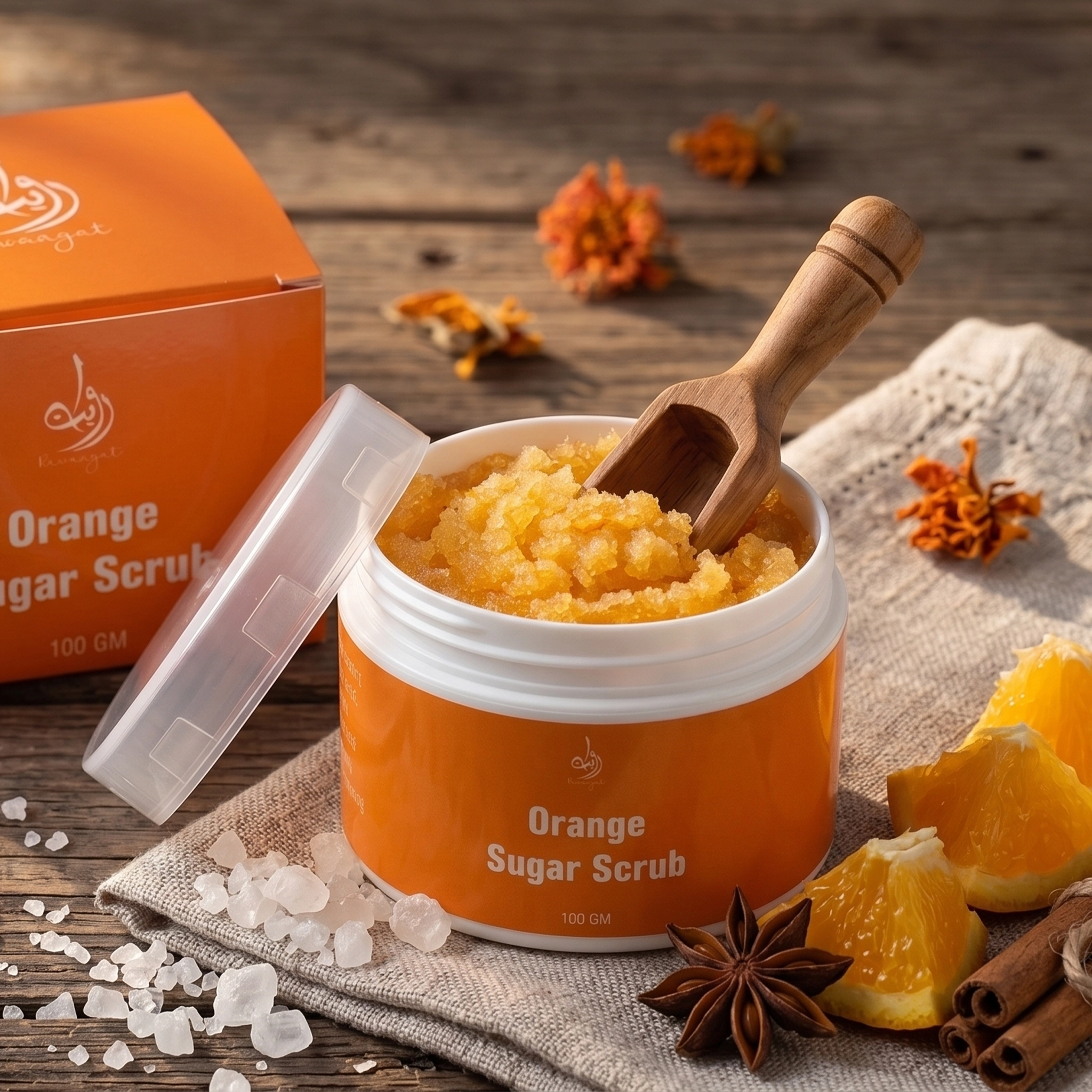
Dull, uneven-looking skin is one of the most common complaints people have, and often the fix is simpler than a long list of new products. The Rawaayat Orange Sugar Scrub tackles this directly by combining physical exfoliation with vitamin C, a well-known brightening ingredient.

Why Orange and Vitamin C for Brightening

Vitamin C is widely used in skincare for its role in supporting a more even, brighter-looking complexion over time. Combined with the physical exfoliation of a sugar scrub, it helps remove the dull surface layer of dead skin while delivering brightening benefits underneath, making it one of the best sugar scrub picks for dullness specifically.

How It Compares to Other Rawaayat Scrubs

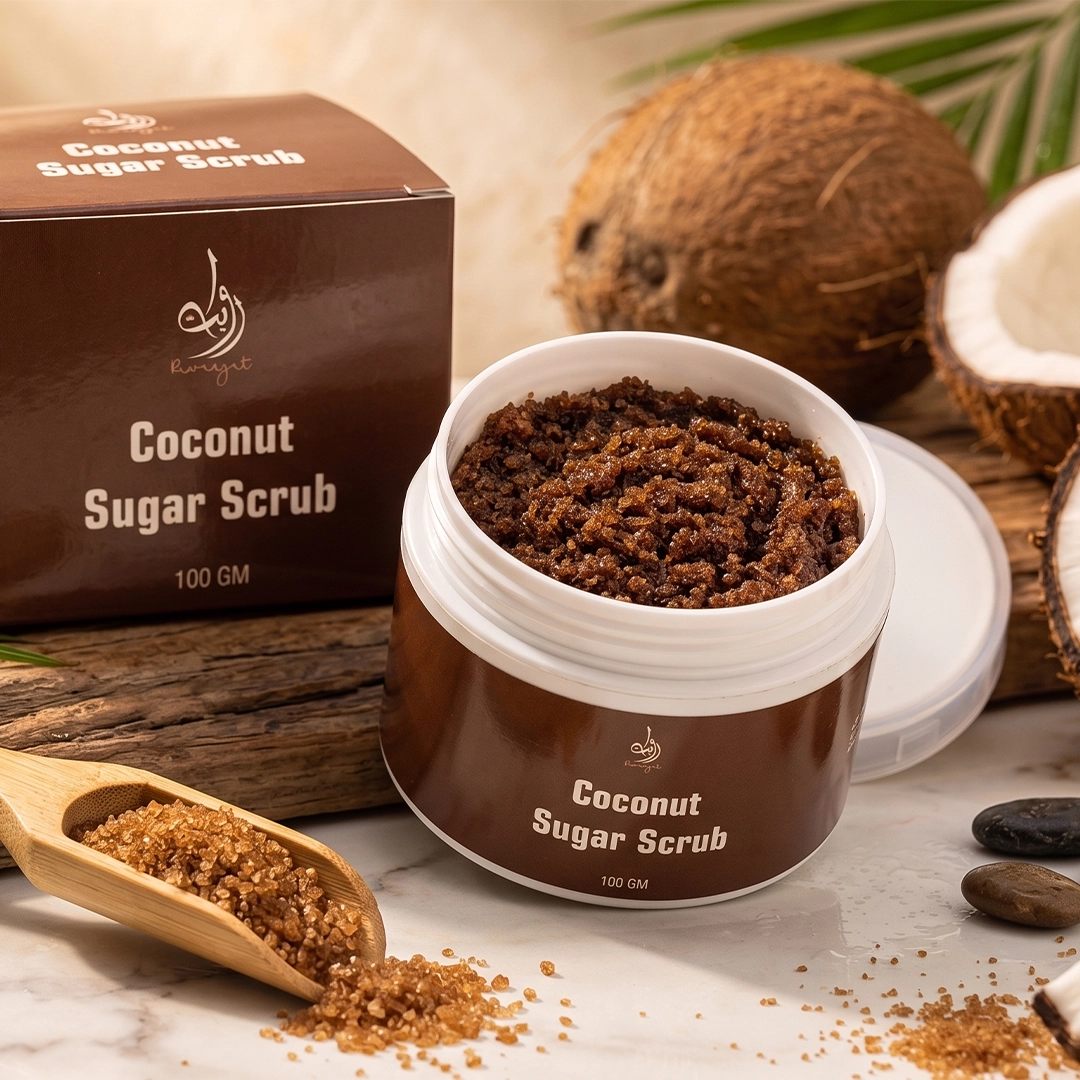
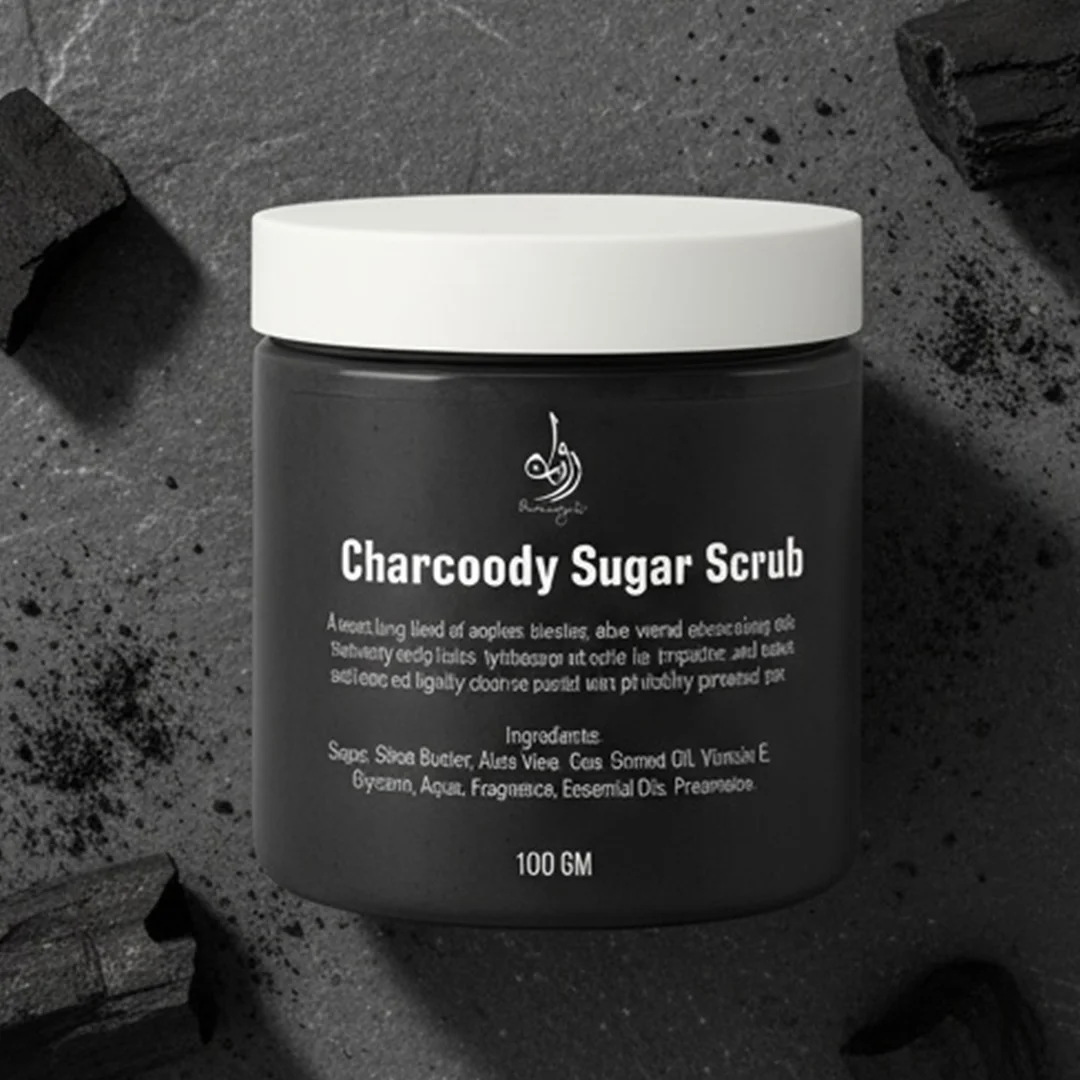
While Coconut Sugar Scrub focuses on hydration and Charcoal Sugar Scrub targets oil control, Orange Sugar Scrub is the pick when brightening and evening out tone is your main goal. All three share the same gentle sugar-crystal base, so the difference comes down to which additional benefit you need most.

How to Use It

  • Apply to damp skin and massage in circular motions for 30 to 60 seconds
  • Rinse thoroughly with warm water
  • Follow with a moisturizer while skin is still slightly damp
  • Use 2 to 3 times a week, not daily

Who Should Use It

Orange Sugar Scrub suits most skin types, but is especially useful if dullness or an uneven tone is your primary concern rather than oiliness or dryness specifically.

Ready to try it? Shop Rawaayat Orange Sugar Scrub or browse the full sugar scrub collection.

Continue Reading →

Rough patches, ashy-looking skin, and a dull complexion are almost always signs of dead skin buildup, not dryness alone. A good body scrub is one of the simplest ways to fix this, and it takes less effort than most people expect.

Why Dead Skin Builds Up

Skin naturally sheds dead cells, but the process slows down over time and can leave a dull layer sitting on the surface. Without regular exfoliation, this buildup blocks moisturizers from absorbing properly, which is why lotion alone often is not enough to fix rough, flaky skin.

Why a Sugar Scrub Works Best for Dead Skin

A body scrub for dead skin needs to physically buff away that buildup without irritating the skin underneath. Sugar crystals are naturally rounded and dissolve as you massage them in, making sugar scrubs gentler than salt-based alternatives while still being effective at clearing dead skin.

How to Use a Body Scrub Correctly

  • Apply to damp skin, ideally in the shower
  • Massage in circular motions, focusing on rough areas like elbows, knees, and heels
  • Rinse thoroughly, then moisturize while skin is still slightly damp
  • Use 2 to 3 times a week – more than that can irritate skin rather than help it

Choosing the Right Scrub for Your Skin

Rawaayat Coconut Sugar Scrub is a strong all-round choice for dry, rough skin thanks to its hydrating oils. If you deal with oilier skin or clogged pores on the body, Charcoal Sugar Scrub is formulated to draw out impurities while still exfoliating dead skin away.

Ready to try it? Shop the full sugar scrub collection at Rawaayat.

Continue Reading →

Sugar scrubs have become a self-care staple for good reason, but a lot of the appeal gets reduced to “it feels nice.” The actual benefits go a bit deeper than a relaxing shower ritual.

Removes Dead Skin Buildup

Skin naturally sheds dead cells, but they don’t always fall away on their own. Left to build up, they make skin look dull, feel rough, and can even contribute to clogged pores on the body. The granules in a sugar scrub physically lift this buildup away, revealing smoother, more even-toned skin underneath.

Improves Circulation

The massaging motion used while scrubbing increases blood flow to the area being treated. Better circulation means skin cells get more oxygen and nutrients, which shows up over time as a healthier, more even complexion — especially noticeable on areas like elbows, knees, and legs that don’t get much attention otherwise.

Helps Other Products Absorb Better

Lotions, oils, and serums work by sinking into skin, but a layer of dead cells acts like a barrier. Exfoliating first clears the way, so whatever you apply afterward — body lotion, self-tanner, or a nourishing oil — actually gets absorbed instead of sitting on the surface.

Softer Than a Salt Scrub

Sugar granules are naturally rounder and dissolve faster in water than salt, which makes them gentler on skin. That’s part of why sugar scrubs work well even on areas that need regular exfoliation, without the sharper, more abrasive feel salt-based scrubs can have.

Leaves Skin Moisturized, Not Just Exfoliated

A good sugar scrub isn’t just sugar — it’s usually blended with an oil base that stays on skin after rinsing, leaving behind a light layer of moisture instead of that tight, stripped feeling some exfoliants cause. That combination of removing buildup while adding moisture is what makes skin feel genuinely soft afterward, not just “scrubbed.”

Ready to add one to your routine? Browse the full Rawaayat Sugar Scrub collection and find the scent and finish that suits you best.

Continue Reading →

A sugar scrub can make a real difference in how your skin looks and feels — but only if it’s used the right way. Rushing through it or skipping the steps around it means you’re leaving most of the benefit behind.

Step 1: Start on Damp, Not Dry, Skin

Apply your scrub after a few minutes in the shower, once skin is damp and slightly softened by warm water. This makes it easier for the granules to glide and lift away dead skin, instead of dragging across a dry surface.

Step 2: Use Gentle, Circular Motions

More pressure doesn’t mean better results — it usually just means irritation. Scoop a small amount and work it into skin using light, circular motions, letting the granules do the work rather than pressing hard.

Step 3: Focus on Rough, Neglected Areas

Elbows, knees, heels, and forearms tend to build up more dead skin than the rest of the body, so they can usually handle a bit more focused attention. Softer areas like the chest or inner arms only need a light pass.

Step 4: Rinse With Lukewarm Water

Hot water strips natural oils and can undo some of the moisturizing benefit of the scrub. Lukewarm water rinses away the granules just as well without leaving skin feeling tight afterward.

Step 5: Moisturize While Skin Is Still Damp

This is the step most people skip, and it’s the one that makes the biggest difference. Pat skin mostly dry but not completely, then apply a body lotion or oil right away — damp skin locks in moisture far better than skin that’s already dried off.

How Often to Repeat

For most skin types, two to three sessions a week is enough to see the benefits without overdoing it. If skin ever feels tight or looks red after scrubbing, that’s a sign to scale back and give it more recovery time between sessions.

Find your next scrub in the full Rawaayat Sugar Scrub collection and make this routine part of your week.

Continue Reading →

It’s easy to assume that more exfoliation means better results, but sugar scrubs are one of the easiest products to overdo. Using one too often can leave skin more irritated and sensitive than when you started, not smoother.

Why Frequency Matters More Than You’d Think

Your skin has a natural barrier that protects it from irritation and moisture loss. Every time you scrub, you’re temporarily weakening that barrier a little so dead skin can be removed. Give it time to recover between sessions and it bounces back stronger; scrub daily and you never let it fully repair, which shows up as redness, tightness, or breakouts that have nothing to do with acne.

How Often, by Skin Type

  • Oily or acne-prone skin: 2 to 3 times a week. Skin tends to recover faster, but over-scrubbing can actually trigger more oil production as skin tries to compensate.
  • Dry skin: 1 to 2 times a week. Dry skin has a more fragile barrier to begin with, so it needs more recovery time between sessions.
  • Combination skin: 2 times a week, focusing more on oilier areas like the T-zone if needed.
  • Sensitive skin: Once a week is usually enough. Watch for any redness or tightness and scale back further if it happens.

Signs You’re Overdoing It

If your skin feels tight, looks red or irritated shortly after scrubbing, or seems to be breaking out more than usual, that’s a sign to cut back rather than push through. Healthy exfoliation should leave skin feeling smoother and calmer, not raw.

Getting the Most Out of Each Session

Always follow up with a moisturizer while skin is still slightly damp, since scrubbing removes some of your skin’s natural oils along with the dead skin cells. This one step makes a bigger difference in how your skin tolerates regular exfoliation than almost anything else.

Ready to find your match? Browse the full Rawaayat Sugar Scrub collection and pick the one suited to your skin type.

Continue Reading →